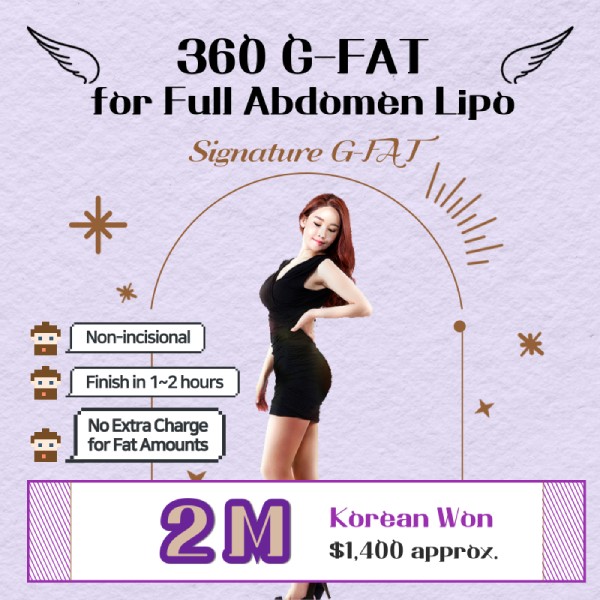
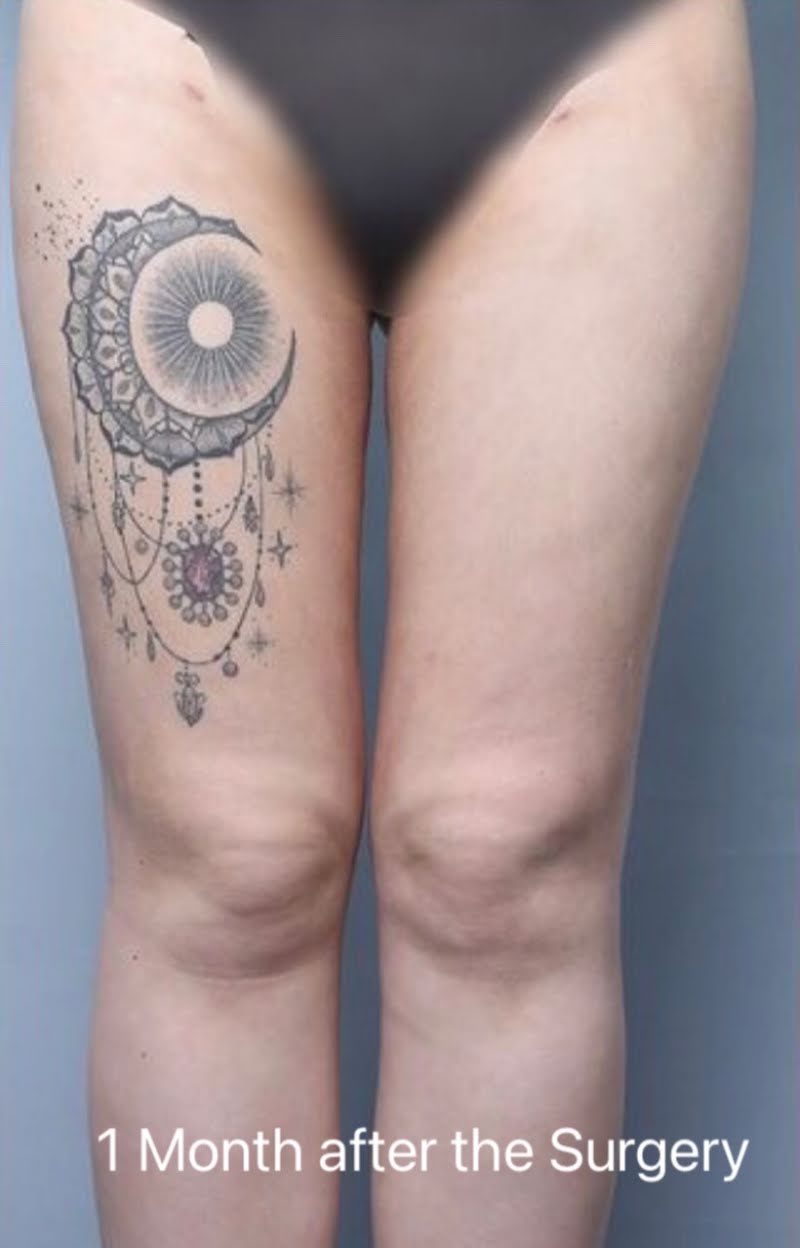
Check 8 final cost points before comparing liposuction in Korea.
Mini areas cost 250K–1.5M KRW ($167–$1,000), and abdomen liposuction costs 2.5M–5.5M KRW ($1,667–$3,667).
Check area, fat volume, anesthesia, VAT, compression, and aftercare before comparing Korean clinics.
Quick Answer
The 8 final cost points for liposuction in Korea are area, fat volume, method, anesthesia, VAT, medication, compression garment, and aftercare.
Korean liposuction should be compared by the final quote, not only by the lowest price shown online.
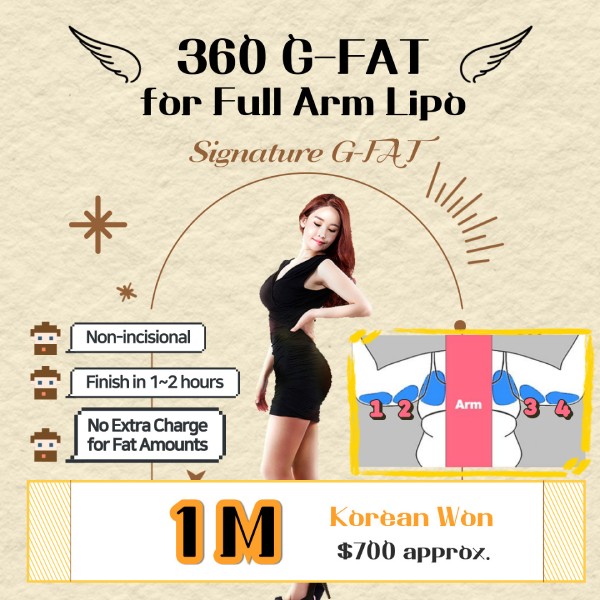
Mini liposuction areas cost 250K–1.5M KRW ($167–$1,000), face or arm liposuction costs 900K–2.5M KRW ($600–$1,667), and abdomen liposuction costs 2.5M–5.5M KRW ($1,667–$3,667).
This guide keeps the original All about MEI before/after photos, TALKS reviews, promotion links, and Trends links while reorganizing the article around Korea-specific final cost checks.
1. What are the 8 final cost points?
2. Liposuction price table in Korea by area
3. Which liposuction area should I compare in Korea?
4. How liposuction works in Korean clinics
5. Downtime and results in Korea
The 8 final cost points for liposuction in Korea are treatment area, fat volume, liposuction method, anesthesia, VAT, medication, compression garment, and aftercare.
This is the Korea-specific part of the comparison. In Korea, many patients first see an event price, a per-area price, or a mini-liposuction price. The useful number is the final quote after the clinic checks the area, fat amount, anesthesia plan, garment, medicine, and follow-up care.
| Final cost point | What to check | Why it changes the Korea quote |
|---|---|---|
| 1. Treatment area | Mini area, face, arms, abdomen, thighs, back, calves, or full body | Korean clinics often price liposuction by area or body part package. |
| 2. Fat volume | Small pocket, moderate volume, or large-volume contouring | The same area can need different operation time, compression, and recovery care. |
| 3. Method | Suction-assisted, UAL, PAL, mini liposuction, or combined method | The method affects time, tissue trauma, recovery, and the clinic’s quote structure. |
| 4. Anesthesia | Local, sedation, or larger anesthesia plan | Anesthesia is included in some quotes and separated in others. |
| 5. VAT | Whether 10% VAT is included or added | Foreign-patient prices in Korea must be compared with VAT clearly stated. |
| 6. Medication | Prescription medicine, antibiotics, pain control, pharmacy cost | Medication is often small but changes the real payment after the procedure. |
| 7. Compression garment | Band, garment, size, replacement, or rental/purchase | Compression is central to liposuction recovery and may be separate from the event price. |
| 8. Aftercare | Stitch removal, swelling care, scar care, follow-up visit | International patients need to know what care is possible before leaving Korea. |
Olivia’s note
For liposuction in Korea, the right question is not only “How much is it?” The better question is “What is included in the final quote, and what happens if the in-person exam adds another area or changes the method?”
Liposuction prices in Korea should be compared by final cost items, not by the first event price shown online. Mini areas, face, arms, abdomen, thighs, and full-body plans use different price logic.
The table below keeps the original All about MEI TALKS, before/after photos, and promotion links so the price range can be checked with real Korea-based review material.
| Category | Typical area | Common range in Korea |
|---|---|---|
| Face liposuction | double chin / jawline / mid-face | 900,000 – 2,500,000 KRW$600 – $1,667 |
| Small / mini areas | armpit fat / small thigh area / lower belly pocket | 250,000 – 1,500,000 KRW$167 – $1,000 |
| Arms | upper arms / arm line / armpit overlap | 900,000 – 2,500,000 KRW$600 – $1,667 |
| Abdomen | upper / lower abdomen / belly pouch | 2,500,000 – 5,500,000 KRW$1,667 – $3,667 |
| Thighs / legs | inner thigh / outer thigh / calves | 3,000,000 – 7,000,000 KRW$2,000 – $4,667 |
| Multi-area / full body | face + arms + abdomen + back / full body contour | 6,000,000 – 10,000,000+ KRW$4,000 – $6,667+ |
This guide is based on how patients actually ask questions inside All about MEI,
including TALKS reviews, promotion structures, and consultation flow across Korean clinics.
All about MEI has been operating since 2013, with 89 partnered clinics and 16,172 consultations from the last 3 years used as a reference point for how patients compare surgery in Korea.
Extra costs to check before comparing clinics
anesthesia fee · VAT · prescription medicine · compression garment · stitch removal · aftercare treatment · scar care · additional areas after in-person exam
Olivia’s note
Price is helpful only when you know what the price includes.
A 250,000 KRW mini-lipo event, a 900,000 KRW arm promotion, and a multi-area full-body plan are not the same kind of decision.
Compare the area, method, anesthesia, aftercare, and whether the clinic is giving you a realistic plan for your body.
For liposuction in Korea, the first decision is the treatment area: face, arms, abdomen, thighs, back, calves, mini areas, or multi-area body contouring. Each area changes anesthesia, compression, recovery, and the final quote.
Liposuction in Korea starts with a body area keyword:
double chin liposuction, arm liposuction, abdomen liposuction, thigh liposuction, or full body liposuction.
But each area has a different goal, recovery pattern, and price logic.

Face, body areas, and full-body plans should not be compared as the same procedure.
Face liposuction
Mid-face fullness, double chin, and jawline contour. Usually focused on definition, not large-volume removal.
Body area liposuction
Arms, abdomen, thighs, back, flanks, armpit fat, calves. The most common structure for patients comparing Korea liposuction.
Mini liposuction
Small stubborn areas such as armpit fat, lower abdomen, arm line, or small thigh pockets. Often chosen when the goal is faster daily-life recovery.
Full body / multi-area
A larger plan combining several body areas. This is not just “more fat removal” — it becomes full-body contour planning.
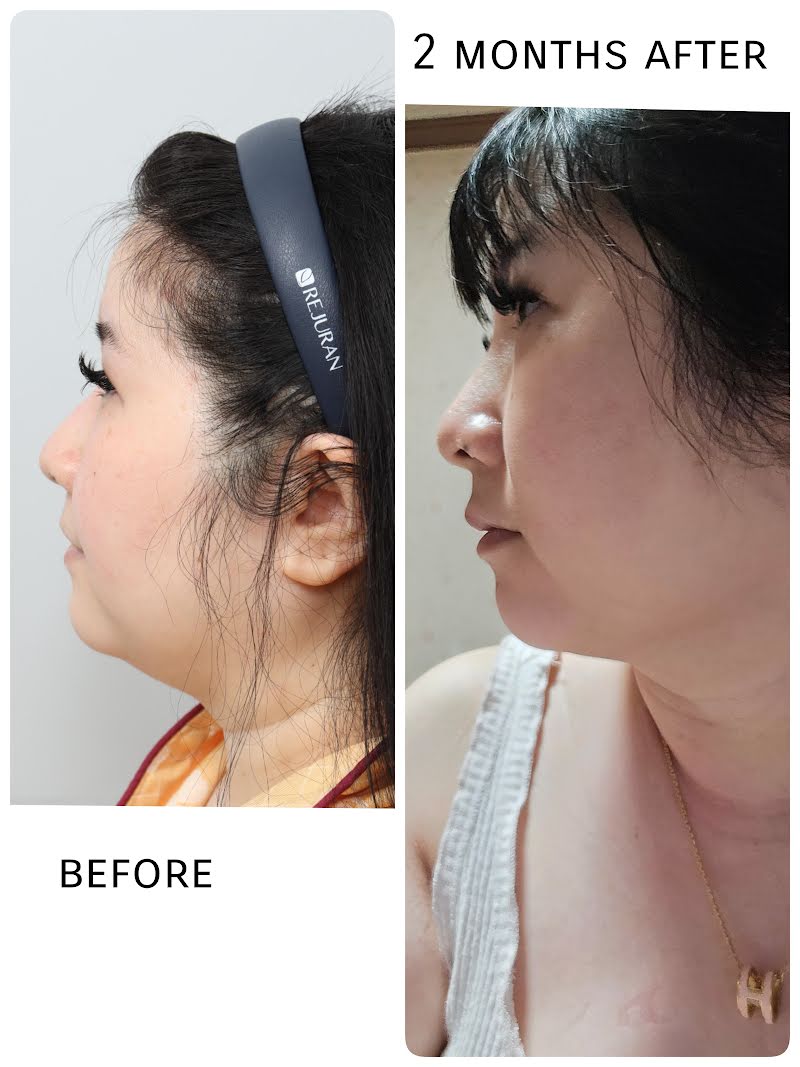
Case from  WOOA Plastic Surgery · Jaw liposuction
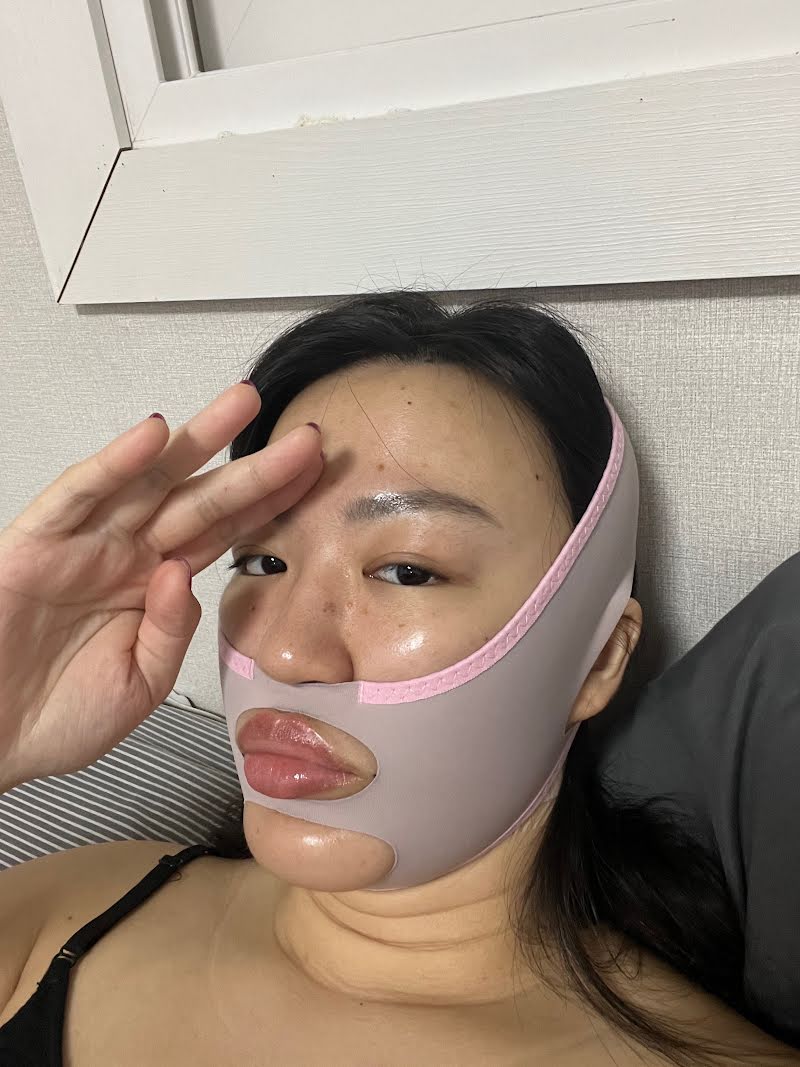
Face liposuction is usually about a cleaner jawline rather than a dramatic amount of fat removal. In this jaw liposuction update, the patient said her jawline was back after the procedure, the result could already be seen after about a week, and bruising around the neck was mostly gone in about a week.

Janice Zhang said
“Results actually can be seen after a week. Bruises around the neck was gone after a week or so... after a week or so, I could do housework already.”
Procedure reviewed at WOOA Plastic Surgery
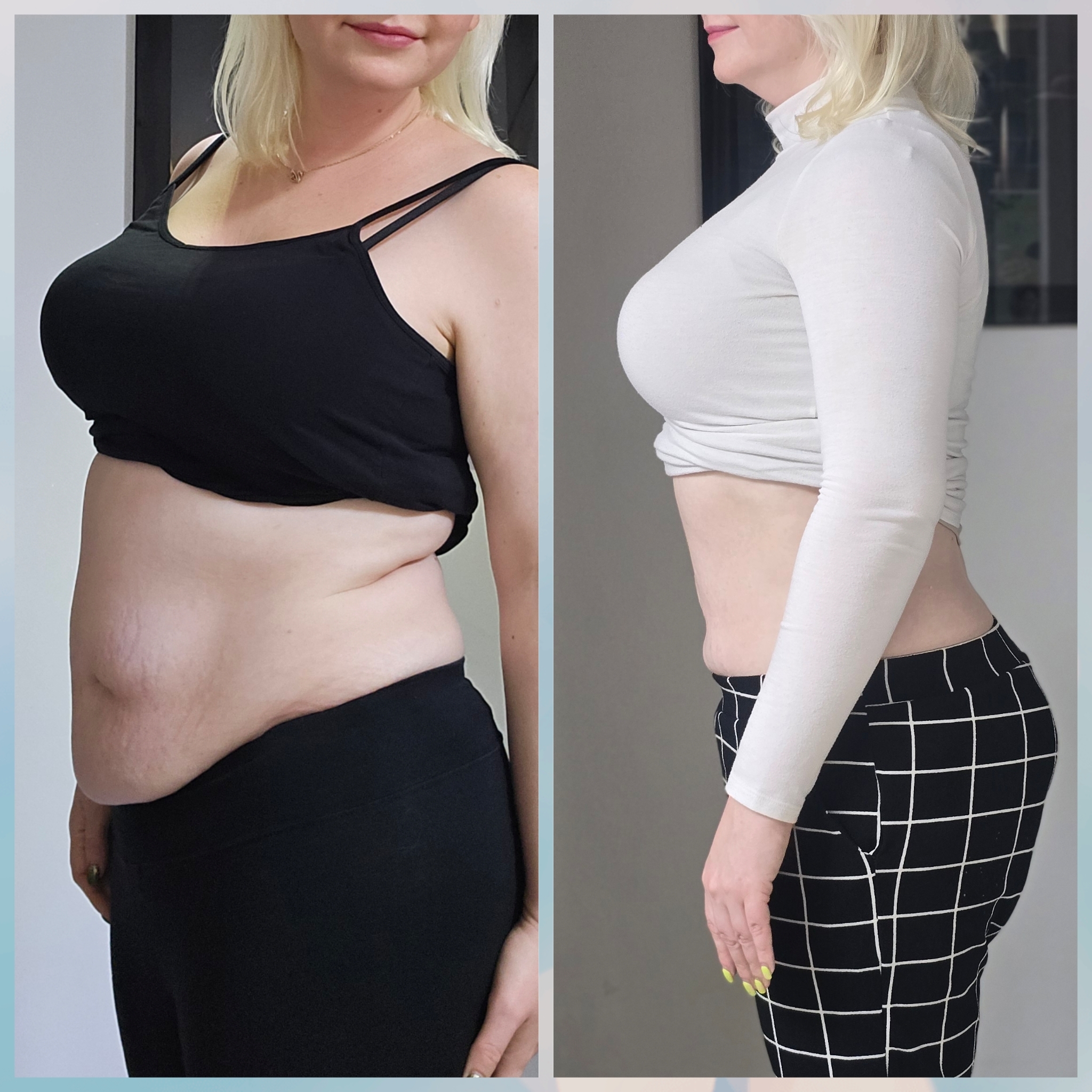
Case from  G Clinic · Abdomen G-FAT
Abdomen liposuction is where expectation control matters most. This 3-month update is useful because it explains both the visible change and the limitation: liposuction can remove outer-layer fat, while visceral fat still needs lifestyle change.

Jolene Jem Kozak said
“These are my results without an additional diet... Dr. Hong stressed an important point — liposuction like G Fat can remove the outer layer of fat, but there is another layer called visceral fat... which can be removed through lifestyle changes.”
Procedure reviewed at G Clinic
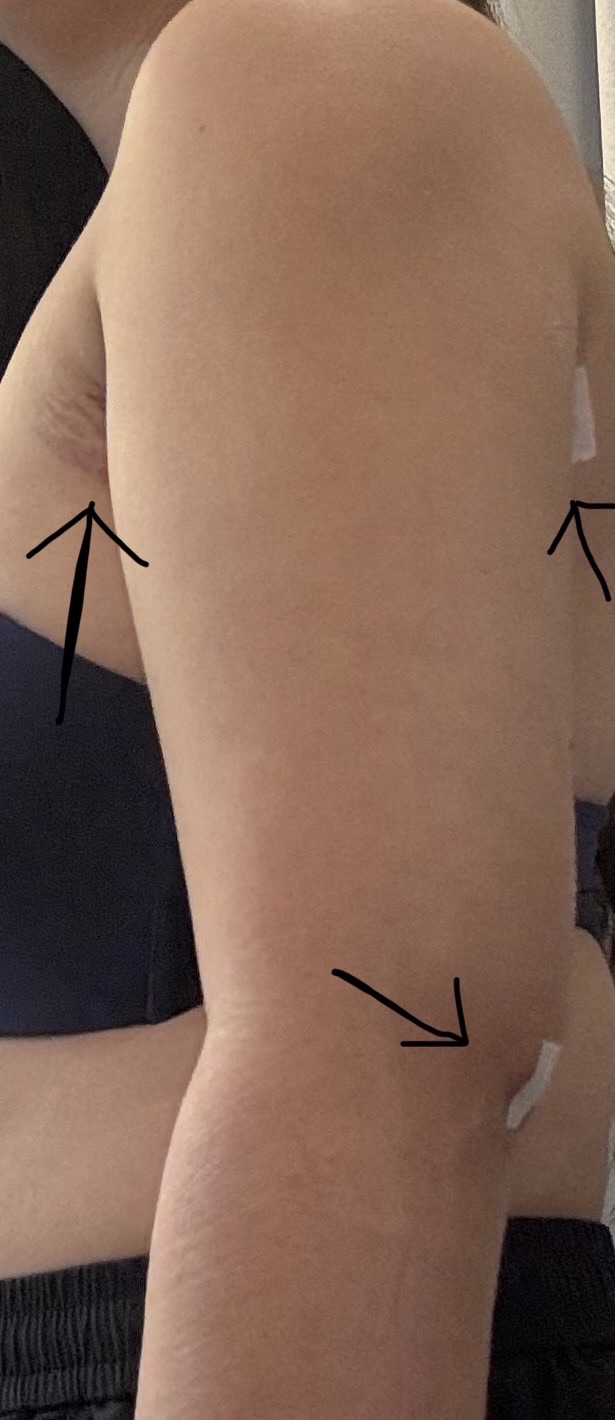
Case from G Clinic · Arm liposuction / Ultra G-FAT
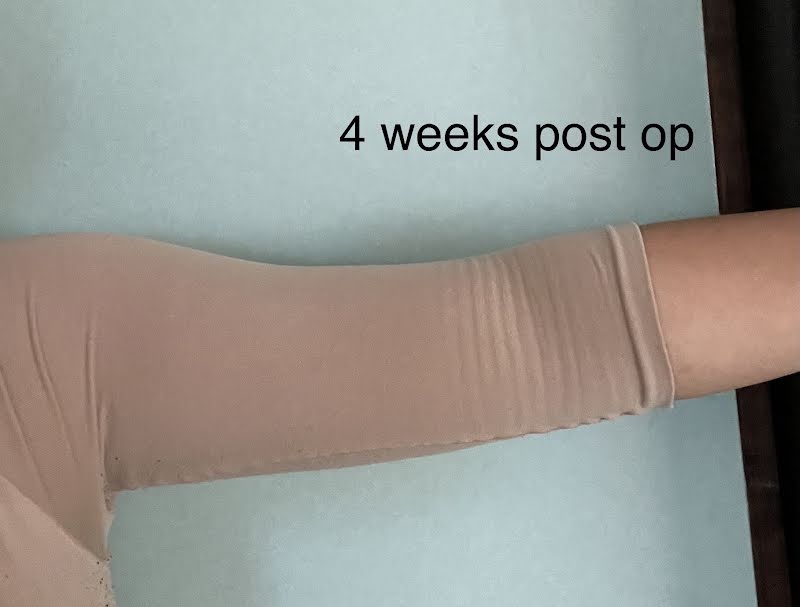
Arm liposuction often feels different from abdomen liposuction. This patient compared arm and abdomen directly and said arms were much easier in her experience. The review also explains how the doctor checked arm positions during the procedure to keep removal even.
Fis said
“The difference between arms and abdomen on procedure day was huge... Abdomen: more fat removed, so recovery was tougher... Arms: much easier. I expected not to lift my arms overhead, but I could.”
Procedure reviewed at G Clinic
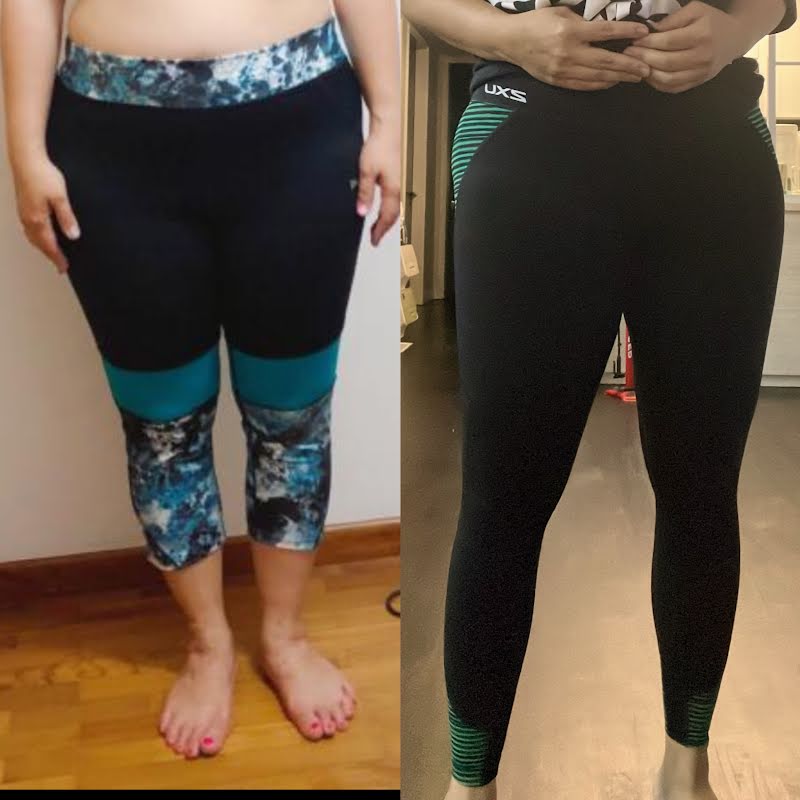
Case from G Clinic · Ultrasound G-FAT / thighs and buttock area
Thigh liposuction is one of the areas where “remove more” is not always the safest or best-looking answer. In this review, the doctor chose not to remove everything because stretched skin could look saggy.
Nancy Tan said
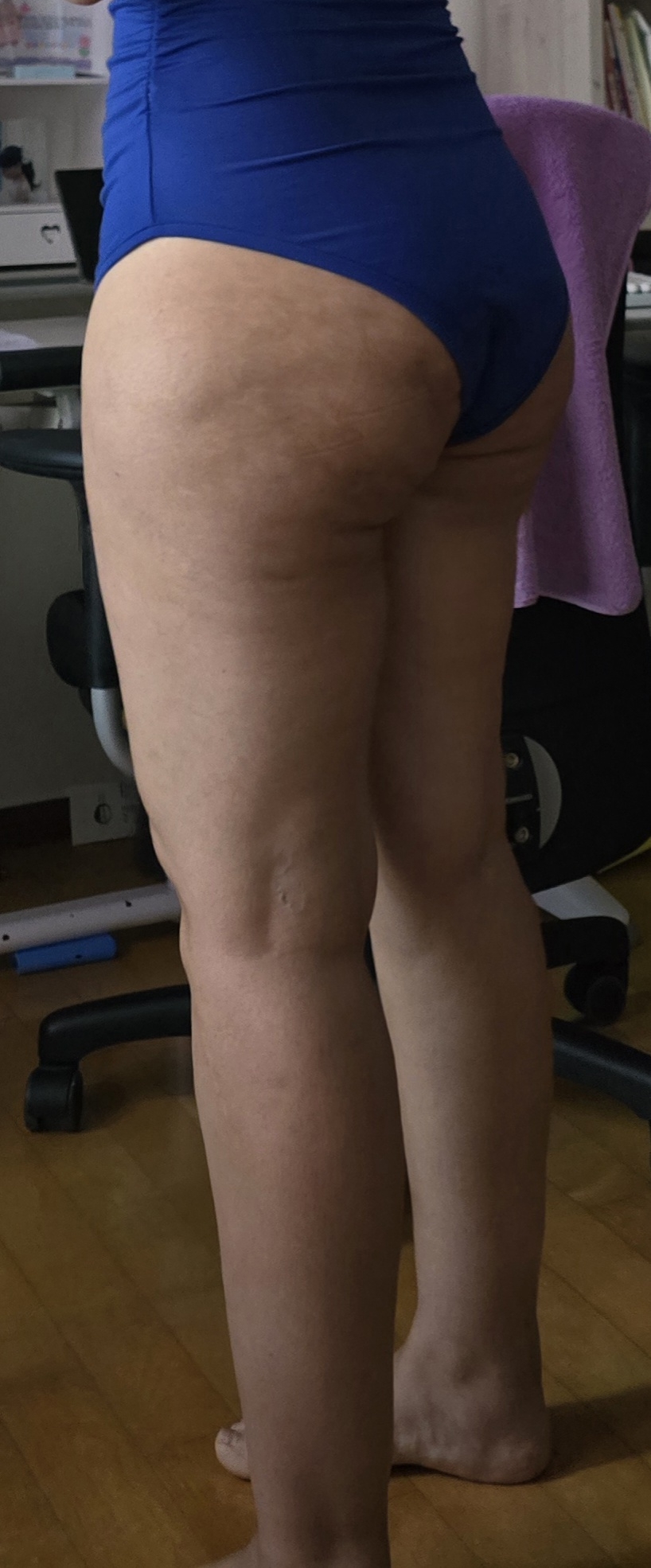
“Dr Hong did only 50% as he is afraid my stretched marks skin might look saggy. I need time to firm up the skin. Though I wish to look even slimmer, I have no choice but to practice patience.”
Procedure reviewed at G Clinic
Olivia’s note
This is why one page about liposuction should not be only a price list.
Face, arms, abdomen, thighs, and full body do not behave the same way.
The goal, recovery, result timing, and price all change depending on where the fat is and how the area needs to be shaped.
Most liposuction procedures follow a similar basic flow:
design → anesthesia → small entry points → fat removal → compression / wound care
The details change depending on the area, fat thickness, patient comfort, skin condition, and whether the case is mini liposuction or larger-area contouring.

The method is selected by tissue condition, area, volume, and recovery goal.
| Method | What it means | When it may be discussed |
|---|---|---|
| Suction-assisted liposuction | Fat is removed through a cannula connected to suction. | The basic structure behind many liposuction procedures. |
| UAL / Ultrasound-assisted liposuction | Ultrasound energy helps loosen fat before suction. | Often discussed when fat is thicker, tissue is firmer, or smoother removal is needed. |
| PAL / Power-assisted liposuction | A vibrating cannula helps remove fat more efficiently. | May be used for larger areas, tougher fat, or more precise contouring. |
| Mini liposuction | Smaller targeted fat removal with tiny entry points. | Small areas such as armpit fat, lower abdomen, arms, or small thigh pockets. |
Doctor’s Note
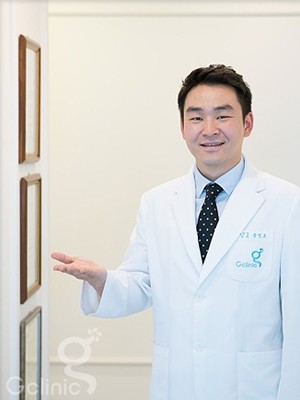
Dr. Hong, Young-Ho
Why technique is not just a machine name
In liposuction, technique should not be understood only as “which machine is used.” Suction-assisted liposuction, ultrasound-assisted liposuction, power-assisted liposuction, and mini liposuction each have a role, but the final result depends on how the technique is applied to the patient’s tissue. The same abdomen, arm, or thigh area can behave differently depending on fat thickness, connective tissue strength, skin elasticity, previous weight change, stretch marks, and the amount of fat that should safely remain.
UAL, or ultrasound-assisted liposuction, can help loosen firmer fat before suction and may support smoother removal in selected cases. However, it is not automatically necessary for every patient. In some cases, basic suction with careful contouring is enough. In other cases, ultrasound assistance may be helpful because the tissue is dense, the area is larger, or the surgeon wants to reduce unnecessary trauma while removing fat more evenly.
The most important point is that liposuction is not a contest to remove the maximum amount of fat. If too much fat is removed from the wrong layer, the skin can look uneven, hollow, or loose. If too little is removed, the patient may feel the change was not enough. Good liposuction means deciding how much fat to remove, how much to leave, and how the surrounding contour should connect naturally with the rest of the body.
Recovery also depends on the method and area. Larger-volume areas such as abdomen, thighs, back, and multi-area procedures can involve more drainage, swelling, bruising, and compression care. Smaller or mini-liposuction areas may return to daily life faster, but they still need proper wound care and patience while swelling settles. The goal is not only a slimmer measurement, but a stable and natural contour over time.
*This note is for general education and does not replace personal medical advice.
Liposuction recovery is not only about “when can I walk?”
The real question is downtime: when you can travel, work, remove stitches, restart exercise, and see the actual shape.

Downtime depends on area and method, but wound care, compression, and realistic timing matter in almost every case.
Main downtime: leakage, padding, prescription medicine, soreness
Take prescribed medicine properly, keep the entry points clean, wear loose dark clothing, and prepare pads, gauze, waterproof plasters, and easy transportation. This is the most awkward part, especially for abdomen or multi-area cases.
Daily life may be possible, but swelling hides the result
Many patients can move around and do light daily routines. Bruising, hardness, and swelling can remain, so this is not the right time to judge the final contour.
Stitch removal and departure from Korea planning
If stitches are used, removal is commonly around 1–2 weeks. Many international patients plan Korea departure after stitch removal or follow-up, usually around 1–2 weeks depending on area and method.
Exercise restart timing
Light walking can start early, but proper exercise is safer after about 1 month or after the doctor clears you. Larger areas, strong swelling, or wound issues may require more time.
Compression can help swelling and support
Compression garments are often helpful for swelling control and support. Many patients wear them for several weeks, and wearing them up to around 2 months can be helpful depending on the treated area and clinic instructions.
Results become clearer and more natural
This is where photos become more useful. The contour continues to settle, hardness improves, and patients can better judge the true result.
| Timing | What patients feel | What to avoid / check |
|---|---|---|
| Day 0–3 | Main downtime: leakage, soreness, bruising, tightness, prescription medicine, wound care | Prepare pads, dark loose clothes, wound supplies, and avoid intense movement |
| Week 1 | Daily life may be possible, but swelling and bruising remain | Do not judge the final result yet; take medication and follow wound-care instructions |
| Week 1–2 | Stitch removal if needed; common Korea departure window for many travelers | Confirm flight timing, wound condition, compression, and follow-up needs |
| Month 1 | Exercise can usually restart gradually after doctor clearance | Avoid rushing workouts; swelling, hardness, or lumps may still remain |
| Up to 2 months | Compression garments may help swelling control and support | Wear compression as instructed; longer use can help depending on the area |
| 2–4 months+ | Contour looks clearer; skin and tissue settle more naturally | Long-term shape still depends on lifestyle, skin quality, and original anatomy |
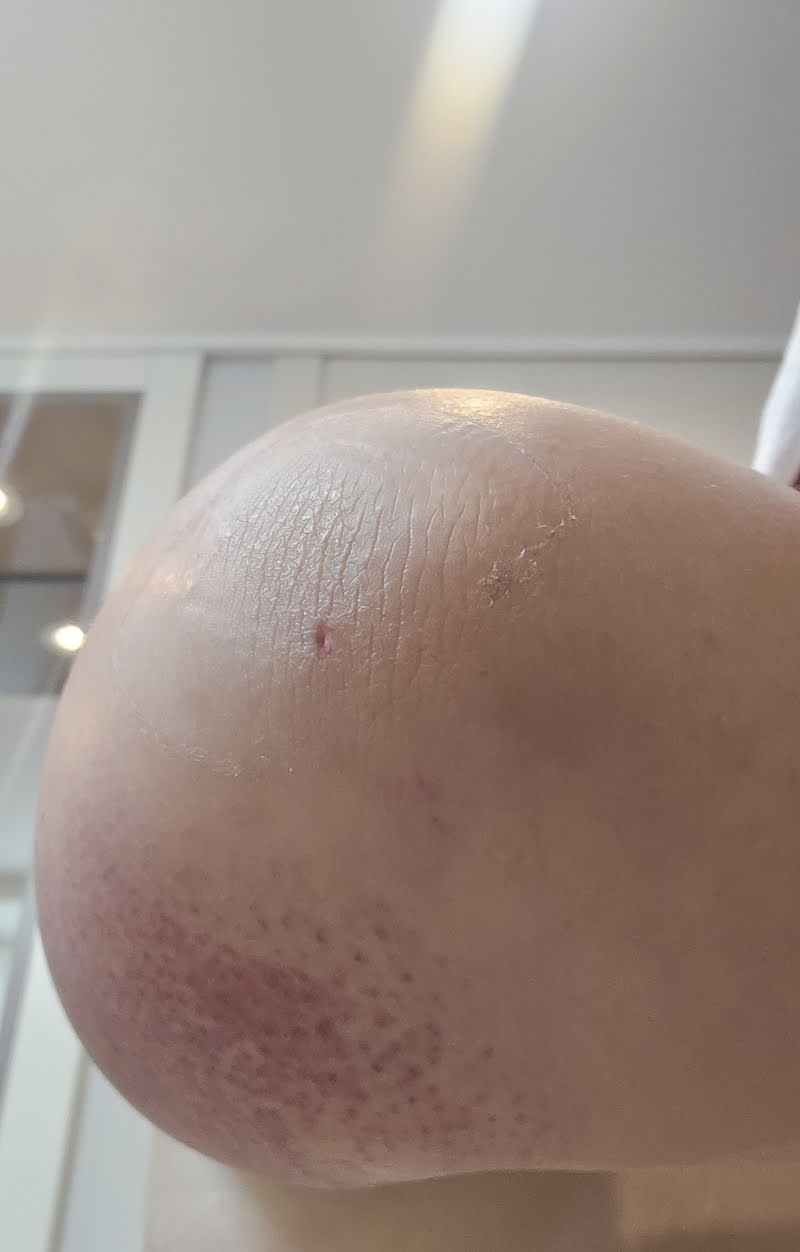
Case from G Clinic · Arms, back, belly, face / sedation
This multi-area review is useful because it explains practical recovery preparation: sanitary pads, pee pads, gauze, waterproof plasters, extra towels, food in the fridge, and why having someone to help can matter for harder-to-reach areas.
Michelle said
“From Day 3 onward, I was doing full day tours and shopping and clocking at least 15k steps a day, albeit walking a bit slowly... The bruising was bad but not as painful as it looks.”
Procedure reviewed at G Clinic
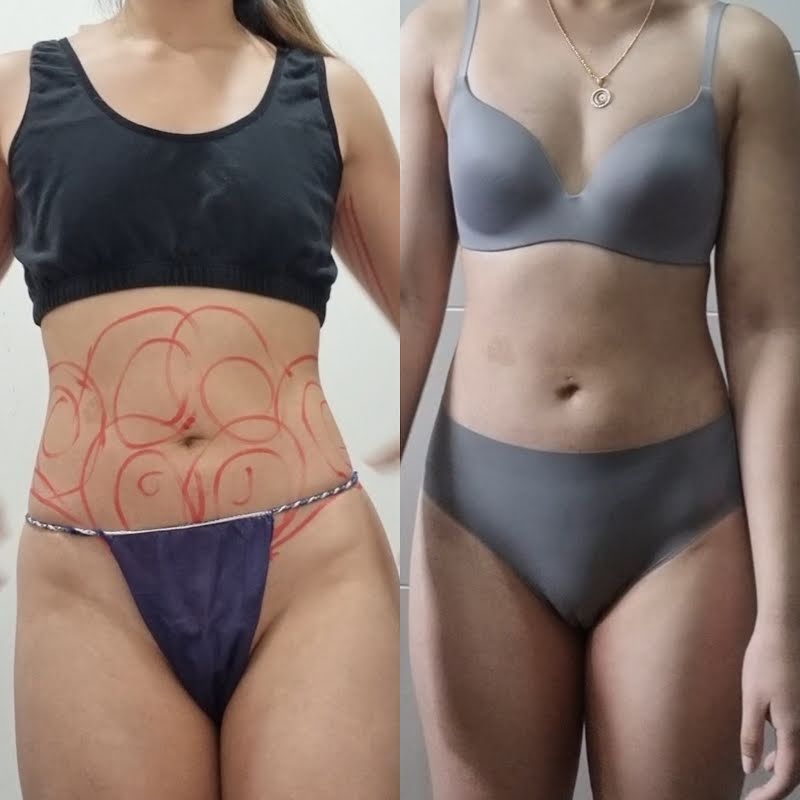
Case from G Clinic · Arm and abdomen liposuction
This review is strong for explaining why the first week can feel normal in daily life but not normal for exercise. It also explains compression, leakage, bruising, shower care, and why results should not be judged too early.

Allystar said
“My life was pretty much normal by this point with the exception of gym... I went in with the expectation that I won't have dramatic result until the swelling is gone because chances are the fat taken out from my body would be replaced by the swelling.”
Procedure reviewed at G Clinic
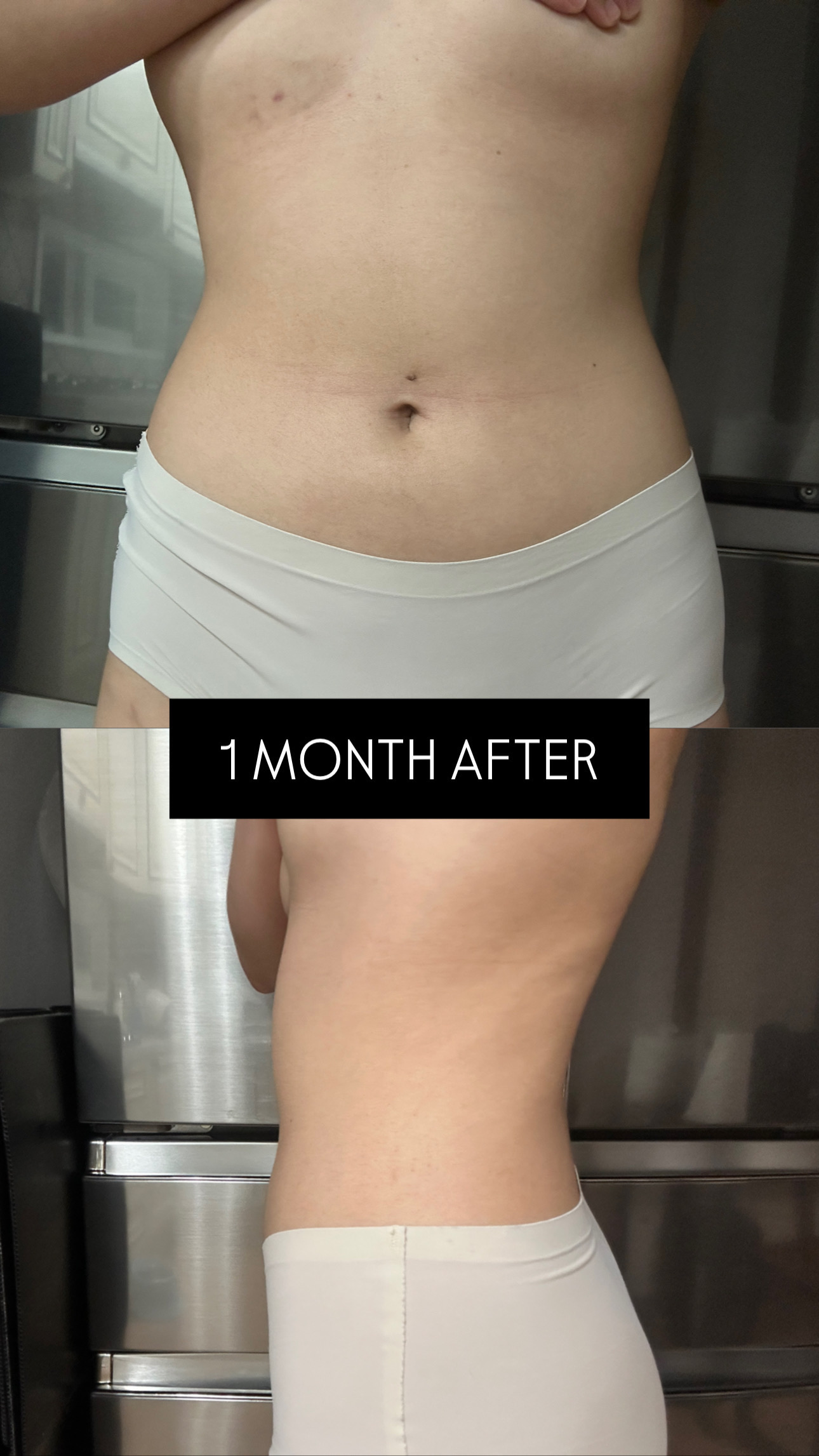
Case from  TRIPLE ONE Plastic Surgery · Abdomen liposuction
This case helps show why longer follow-up matters. The patient described sit-up-like soreness at 1 month, clearer results by 2 months, and a natural feeling with no stiffness by 4 months.

Tisha Tanisha said
“1 Month After: The first month felt like post sit up soreness... 2 Months After: results started showing clearly... 4 Months After: Everything feels natural, with no stiffness or discomfort.”
Procedure reviewed at TRIPLE ONE Plastic Surgery
Olivia’s note
The biggest mistake is judging liposuction too early.
Early swelling, hardness, bruising, and lumps can make the area look unfinished.
The first week tells you how recovery feels. The first month tells you where the contour is going.
The next few months show the result more clearly.
Mini liposuction is not the answer for every case, but it is useful to understand when the concern is small, stubborn, and localized: armpit fat, lower abdomen pocket, small arm line, or small thigh area.

Case from G Clinic · Armpit mini liposuction
This is a clear example of why mini liposuction exists. The patient was already slim, but armpit fat did not change even at her lowest weight. At 3 months, the skin folding had settled into a smoother outline.

Coralee said
“I did mini lipo for the armpit fat as I am quite slim but even at my lowest weight... the fat did not budge at all... Fast forward to now, the skin folding seems to have become better and settled into a smoother outline.”
Procedure reviewed at G Clinic


Promotions are useful after you understand your area and recovery expectations. A deal can be a good opportunity, but it should still match your body, your travel schedule, and your result goal.
Olivia’s note
Start with the body concern, not the lowest price.
If your concern is small and localized, mini liposuction may be enough.
If your concern is abdomen, thighs, or several areas together, the better question is how the entire contour should be planned.
The 8 final cost checks are treatment area, fat volume, method, anesthesia, VAT, medication, compression garment, and aftercare. These checks matter because Korean liposuction prices are commonly shown by area, event, or package, while the final quote reflects the full treatment plan.
Mini areas cost 250K–1.5M KRW ($167–$1,000), face or arms cost 900K–2.5M KRW ($600–$1,667), and abdomen liposuction costs 2.5M–5.5M KRW ($1,667–$3,667). Thighs and multi-area plans move higher because they need larger contour planning and more recovery care.
Many international patients plan 1–2 weeks in Korea when stitch removal, swelling checks, or aftercare are needed. Mini liposuction can have a shorter schedule, but flight timing should still be confirmed after the doctor checks the treated area and anesthesia plan.
Early contour change can appear within days, but swelling hides the real shape. Many patients start seeing clearer lines around 2–4 weeks, and the result continues to settle over 2–4 months depending on area, compression, and swelling pattern.
Liposuction in Korea is body contouring surgery for localized fat, not general weight-loss surgery. The best use is improving a specific area such as the double chin, arms, abdomen, thighs, flanks, back, armpit fat, or calves.
Korea liposuction comparison is strongly area-based. Patients often compare event prices, promotion pages, and before/after TALKS reviews, but the clinic’s final quote should still confirm VAT, anesthesia, medication, compression garment, stitch removal, and aftercare.
This article is informational and does not replace medical diagnosis or an in-person consultation. Final treatment, price, anesthesia, and recovery timing must be confirmed by the clinic after examination.
STAY ALERTED
Follow the clinics and liposuction areas you are considering in the All about MEI app to recheck current deals, VAT, included care and real recovery TALKS.
Compare the final total—not only the advertised base price.
Not ready to consult today? Keep your interest with All about MEI.